
What to Pack for a Japan Ski Trip (And What to Rent Instead)
If you’re flying up from Singapore, Kuala Lumpur, Hong Kong or Sydney for your first Hokkaido winter, here’s the honest truth: you probably own almost nothing you need for -10°C, and that’s completely fine. Most of what keeps you warm on the mountain can be rented when you arrive, and most of what can’t be rented is small, cheap and easy to pack. The mistake first-timers make isn’t packing too little — it’s buying a full set of ski gear at home, hauling 25kg of it through the airport, and discovering the rental shop in Niseko would have handed them better equipment for a fraction of the cost.
This guide splits everything into three piles: pack it, rent it, or buy it when you land.
Pack These From Home
These are the items that touch your skin, need to fit you well, or are simply easier to bring than to find on arrival.
- Thermal base layers (2 sets). A long-sleeve top and long bottoms in merino wool or synthetic fabric. This is the single most important thing in your bag. Avoid cotton — it holds sweat and makes you cold. Uniqlo Heattech works fine for beginners; if you tend to feel the cold, go for the Extra Warm or Ultra Warm versions.
- A fleece or light insulated mid-layer. Something you’d wear on a cold aeroplane. It goes between your thermals and your jacket. One is enough — you’ll be surprised how warm you get once you start falling over and standing back up.
- Ski or snowboard socks (3–4 pairs). Proper knee-high snow socks, not thick hiking socks. Thin, snug socks actually keep your feet warmer in boots than bulky ones, and they prevent blisters. This is worth getting right before you fly.
- A neck gaiter or buff. Cheap, tiny, and the difference between a pleasant day and a frozen chin when the wind picks up.
- Beanie and thin glove liners. For walking around town in the evening. Your rental package covers the mountain; these cover the convenience-store run.
- Sunscreen and SPF lip balm. Snow reflects UV back up at your face. People from the tropics assume winter means no sunburn — the goggle-shaped tan line says otherwise.
- Your usual medications, plus basics. Paracetamol, plasters, motion-sickness tablets for the mountain roads, and anything you take regularly. Japanese pharmacies are excellent but labels are in Japanese, and finding your exact brand is a gamble.
- Contact lenses or prescription glasses that fit under goggles. If you wear glasses, mention it when renting goggles — over-the-glasses (OTG) styles exist.
- Moisturiser. Hokkaido air is bone-dry. Faces and hands crack within days if you skip this.
- A small backpack. For water, snacks and spare layers on the mountain, and for day trips off it.
Rent These — Don’t Buy
Here’s where first-timers waste the most money. If this is a one-off trip, or even a once-every-couple-of-years trip, renting beats buying on every count.
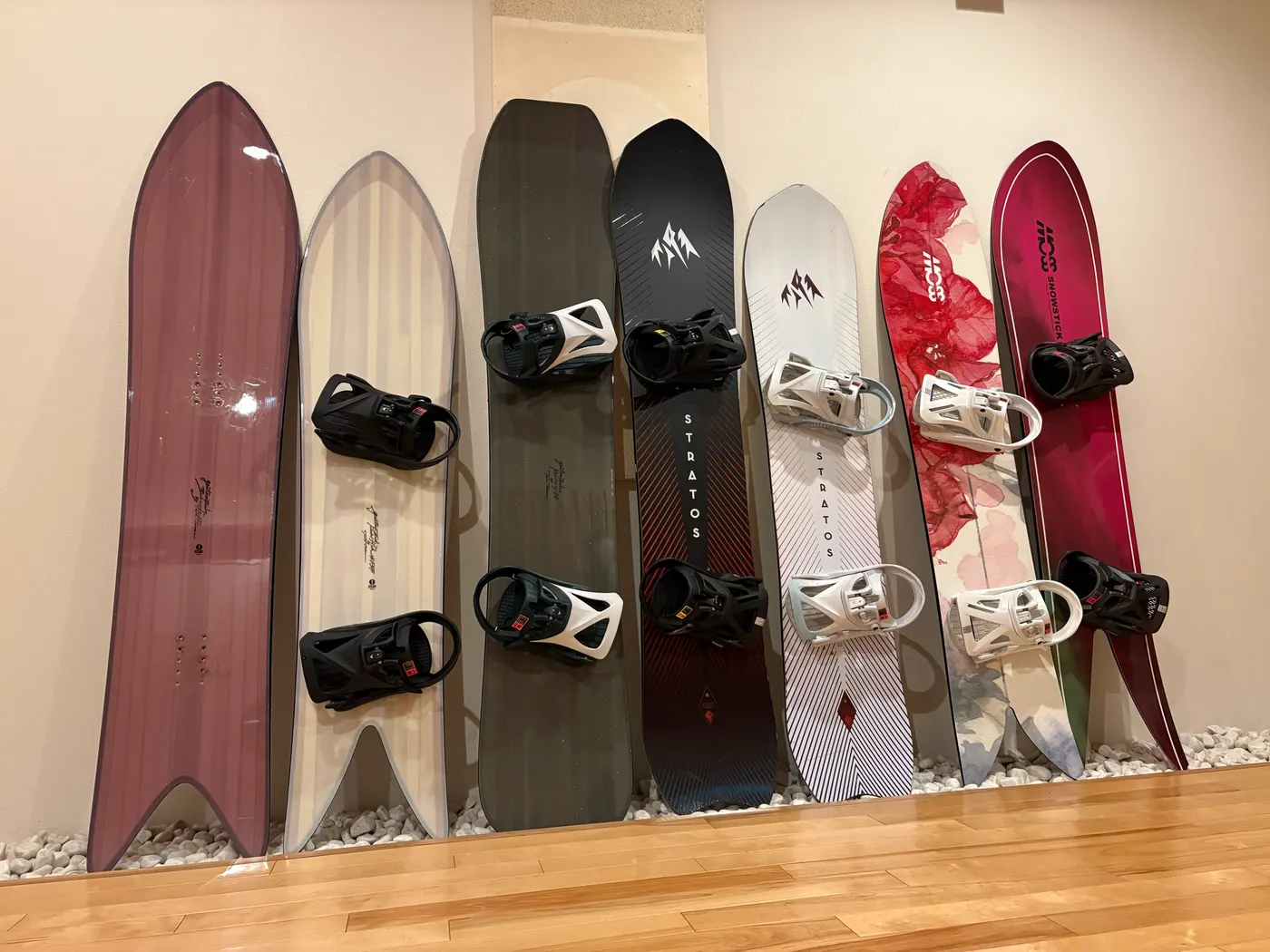
Skis or snowboard, boots and bindings. A decent beginner setup costs serious money to buy, takes up an entire luggage allowance, and — this is the part nobody tells you — the gear that suits you as a day-one beginner is not the gear that suits you by day four. Rent, and you can swap as you improve. Rental equipment in the Niseko area is well maintained and tuned for local snow conditions, which are softer and deeper than almost anywhere else on earth.
Ski jacket and pants. Proper waterproof, insulated outerwear is expensive, bulky, and useless back home in Singapore or KL. Unless you’re planning yearly ski trips, rent the outerwear too.
Helmet. Always wear one, never buy one for a single trip. Rental helmets are sanitised between uses and sized on the spot.
Goggles and mittens. These come bundled in full outfit packages, so there’s no need to guess at lens tints or glove sizes online before you’ve ever seen snow.
At The Japow Academy, our adult rental works out to ¥400/day (CNY) for a three-piece set — board or skis, boots, and bindings or poles — or ¥700/day for the full outfit package, which adds jacket, pants, helmet, gloves and goggles. In other words, you can walk off the plane in jeans and a hoodie and be fully mountain-ready without owning a single piece of winter sports equipment.
How Rental Actually Works
A few things worth knowing so the logistics don’t eat into your holiday:
- Multi-day discounts add up. With TJA, renting for 3+ days takes 10% off, 5+ days takes 20% off, and 7+ days takes 25% off. Since most people ski four to seven days on a Hokkaido trip, the per-day cost drops quickly — another reason buying rarely makes sense.
- Delivery to your hotel. If you’re staying in the Niseko area, TJA delivers and collects rental gear at your hotel for free, between 18:00 and 23:00. Your gear arrives the evening before your first lesson, so there’s no morning queue at a shop while everyone else is already on the lifts.
- Fit matters more than brand. When your gear arrives, try the boots on straight away with your ski socks. Boots should feel snug but not painful. If something doesn’t fit, say so early — swapping the night before is easy; swapping at 8:45am on lesson day is not.
Packing for Kids
Children’s gear follows the same logic, only more so — kids outgrow everything before the next trip. TJA’s kids rental starts from ¥280/day, and the same full-outfit approach applies. What you should pack from home for children:
- Two sets of thermal base layers (they get wet more often than adults)
- Extra socks and glove liners — small hands get cold fast
- A balaclava or fleece neck warmer that they’ll actually agree to wear
- Snacks they recognise, for lift-line diplomacy
One tip from our instructors: kids from around age three can start ski lessons, and the ones who stay warm stay happy. Layer them slightly warmer than yourself; they’re moving less than you think during lessons.
Luggage Tips for the Flight
- Skipping ski gear entirely means most people manage a Hokkaido trip with one checked bag and a carry-on, even for a week.
- Wear your bulkiest items — boots, fleece, coat — on the plane if space is tight.
- Leave room for the trip home. Japanese souvenirs, snacks and drugstore hauls have a way of multiplying.
- If you’re taking the resort shuttle or a private transfer from New Chitose Airport (roughly 2.5–3.5 hours to the Niseko/Kutchan area), soft duffel bags are easier to load than hard cases.
What You Can Buy When You Land
Japan’s convenience stores and drugstores fill nearly every gap, often better and cheaper than home:
- Disposable heat packs (kairo). Sold everywhere — 7-Eleven, Lawson, drugstores. Stick-on versions go inside your jacket; pocket versions warm your hands between runs. Buy a big pack; you’ll use them all.
- Toiletries and skincare. Japanese drugstores stock excellent moisturisers, lip balms and sunscreens if you forgot yours.
- Snacks and drinks. Onigiri and hot canned coffee from the konbini are a legitimate part of the Japan ski experience.
- Basic cold medicine. Available over the counter, though again, pack your own if you have preferences or allergies.
- Forgotten small items. Gloves liners, socks and beanies can usually be found locally in Kutchan and around the resorts, though sizes and selection are better at home.
The short version: pack what touches your skin, rent what touches the snow, and buy the heat packs when you land. Get those three piles right and you’ll spend your first morning in Hokkaido learning to ride powder — not standing in a shop wondering why you brought so much stuff.