
Niseko vs Rusutsu vs Kiroro: Which Resort Should You Choose?
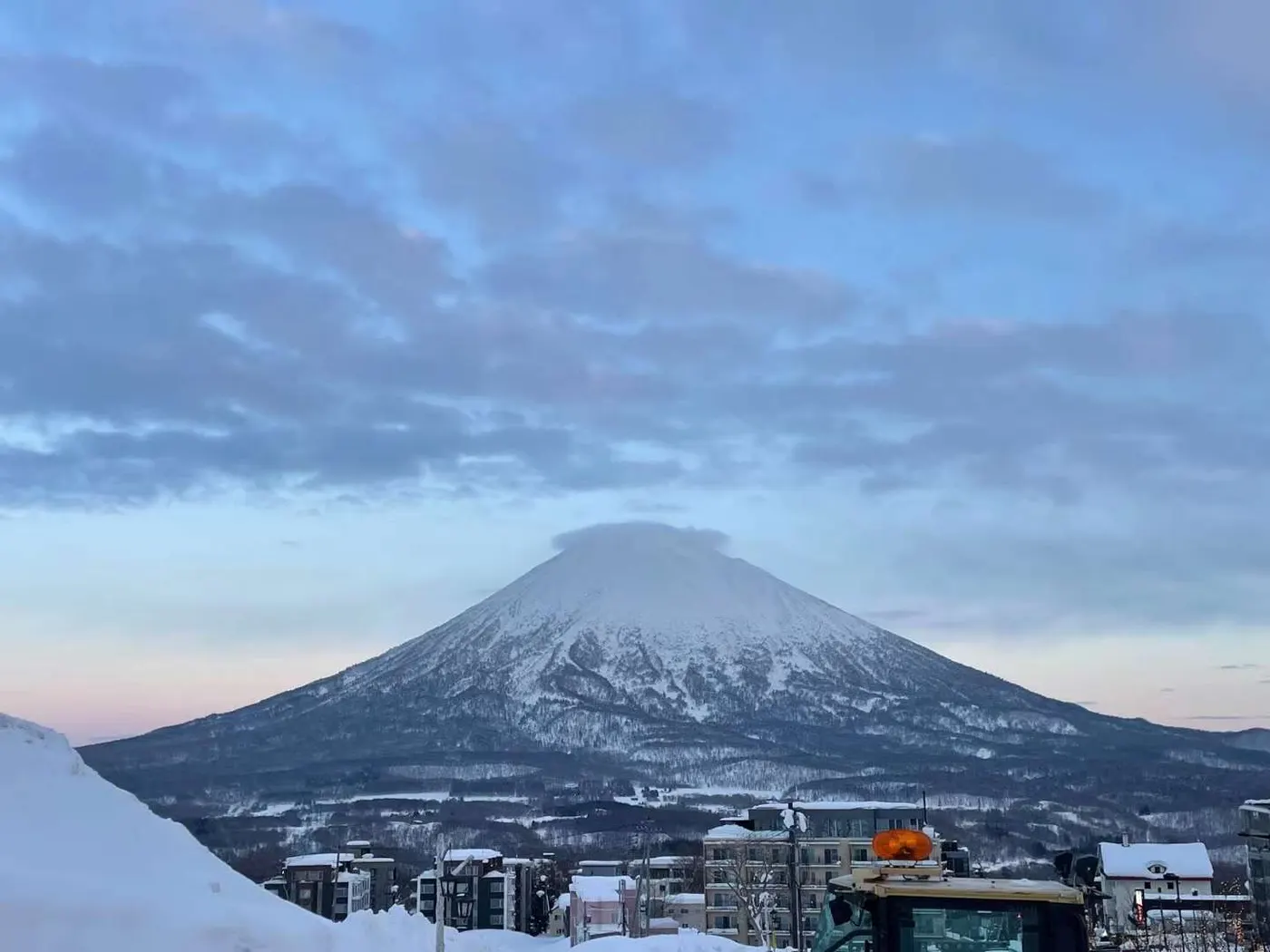
If you’re planning a Hokkaido ski trip, you’ve almost certainly narrowed it down to three names: Niseko, Rusutsu and Kiroro. All three sit within striking distance of each other in southwest Hokkaido, all three get buried in the light, dry powder the island is famous for, and all three show up on every “best of Japan” list. So which one deserves your week?
The honest answer is that there’s no wrong choice — but there is a right choice for your particular group. A family with a four-year-old, a pair of intermediate skiers, and a powder-obsessed snowboarder chasing tree runs will each be happiest in a different place. Our instructors at The Japow Academy teach at all three resorts every winter, so we’ve watched thousands of guests figure out where they fit. Here’s the breakdown we give them.
Quick Comparison
| Niseko (incl. Moiwa) | Rusutsu | Kiroro | |
|---|---|---|---|
| Snow | Deep, consistent Japow | Deep, superbly protected in the trees | Deepest base of the three |
| Best for | First-timers to experts; nightlife | Tree runs, families, space | Powder hunters, quieter trips |
| Crowds | Busiest (Moiwa side stays calm) | Moderate | Lightest |
| From New Chitose Airport | ~2.5–3.5 hours | ~2 hours | ~1.5 hours |
| Night skiing | Yes, a signature experience | Limited | Limited |
| Village atmosphere | Lively international resort town | Self-contained resort complex | Compact, hotel-based |
Now let’s dig into what those rows actually mean for your trip.
Snow: You Genuinely Can’t Lose
Let’s get the easy part out of the way first. All three resorts sit in the same storm track that makes Hokkaido a pilgrimage destination. Cold Siberian air picks up moisture over the Sea of Japan and dumps it as some of the lightest, most consistent snowfall on the planet. December through February is peak season, January is typically the deepest month, and the season stretches well into April.
The differences are a matter of degree. Kiroro reliably builds the deepest base of the three — its position closer to the coast means it often catches storms first and holds snow longest. Niseko is the name that made “Japow” a word, with remarkably consistent refills through the heart of winter. Rusutsu gets similar volumes, but its real magic is how well the snow is protected: much of the terrain threads through forest, so powder stays soft and untracked longer than you’d expect, even a day or two after a storm.
If snow quality is your only criterion, flip a coin. It’s the other factors that should decide this.
Terrain and Who It Suits
Niseko is really a collection of interlinked areas on one mountain, and that scale is its biggest strength. There’s genuinely something for everyone: long mellow groomers for beginners, rolling terrain for intermediates, and steeper lines and side-country gates for advanced riders. The catch is that the most famous base area, Grand Hirafu, is also where most visitors concentrate.
This is where we let you in on the local secret: Niseko Moiwa, on the quiet southwestern side of the Niseko range. Moiwa shares the same mountain and the same snowfall as the rest of Niseko, but it feels like a different resort — short lift lines even in peak weeks, uncrowded slopes, and excellent tree skiing without the scramble for fresh tracks. It’s where our coaches take students who want the Niseko snow experience without the Niseko crowds, and it’s an outstanding place to learn, because beginners get room to breathe instead of dodging traffic.
Rusutsu spreads across three interconnected peaks and has built its reputation on tree runs. The gladed terrain here is some of the most enjoyable in Japan — well spaced, consistently pitched, and forgiving enough that strong intermediates can have their first real powder-in-the-trees day safely. It’s also quietly one of the best family resorts in Hokkaido: the layout is easy to navigate, the beginner zones are gentle, and everything is contained, so nobody gets lost.
Kiroro is more compact than the other two, but what it lacks in sprawl it makes up for in snow depth and solitude. The groomers are wide and confidence-building for beginners and intermediates, and when it snows — which is often — the powder skiing off the main runs is as deep as anything in the region. Advanced riders who care more about untracked snow than about total skiable area tend to fall in love with Kiroro.
Crowds: The Deciding Factor for Many
Niseko’s international fame comes with international visitor numbers, especially over Christmas, New Year and Chinese New Year. On a powder morning at Grand Hirafu, expect queues. Again, Moiwa is the pressure valve — same storm, fraction of the people.
Rusutsu draws steady crowds, particularly day-trippers and families, but the terrain absorbs them well. Because so much of the mountain is in the trees, fresh snow lasts noticeably longer here than at busier resorts.
Kiroro is the quietest of the three. Its hotel-based setup means fewer casual visitors, and midweek it can feel almost private. If lift lines genuinely stress you out, Kiroro (or Moiwa) is your answer.
Village Life: Après, Dining and Atmosphere
This is where the three resorts diverge most sharply.
Niseko — specifically the Hirafu village area — is a true international resort town. You’ll find everything from ramen counters and izakayas to fine dining, plus bars, bakeries and a genuine après scene. If evenings out matter to your group, Niseko wins comfortably. Staying near Hirafu while skiing quiet Moiwa by day is, frankly, the best-of-both-worlds play a lot of our returning guests settle on.
Rusutsu is a self-contained resort complex: hotels, restaurants, onsen, even an indoor amusement area, all under connected roofs. It’s supremely convenient with kids — you never need to go outside to find dinner — but don’t expect a village to wander through.
Kiroro is similar in structure but smaller: a couple of hotels at the base with their own restaurants and onsen. Evenings are quiet. For some travelers that’s a drawback; for others — especially those who came to ski hard and sleep early — it’s exactly the point.
Getting There from New Chitose Airport
All three are reachable from New Chitose Airport (CTS) without much drama, but the differences add up, especially with children or a short trip.
- Kiroro is the closest, roughly 1.5 hours by road, and also the handiest for combining with Sapporo or Otaru.
- Rusutsu runs about 2 hours.
- Niseko/Kutchan takes roughly 2.5–3.5 hours by resort shuttle or private transfer, depending on conditions. The JR train via Otaru to Kutchan Station is a scenic alternative worth considering.
Winter driving in Hokkaido is beautiful but genuinely demanding; unless you have real snow-driving experience, book a shuttle or transfer and check current schedules with the operators directly.
Night Skiing
If skiing under the lights is on your bucket list, Niseko is the clear pick — its night skiing is a signature experience, and floodlit powder laps after dinner are something people remember for years. Rusutsu and Kiroro offer far less in the evenings; plan your on-snow hours for daytime there.
So, Which One Should You Choose?
- Families with young kids: Rusutsu. The contained layout, gentle beginner terrain and everything-indoors convenience make logistics painless. Kiroro is a strong runner-up if you want somewhere even quieter.
- First-time skiers and snowboarders: Niseko Moiwa. You get patient, uncrowded slopes to learn on, with the full Niseko village experience a short ride away. Kiroro’s wide groomers are also excellent for building confidence.
- Powder hunters: Kiroro for sheer depth, Rusutsu for tree runs that stay fresh, Moiwa for Niseko-quality snow without the race. Honestly, the strongest move is basing yourself in the Niseko area and hitting all three across a week.
- First trip to Japan: Niseko. The dining, nightlife, English-friendly infrastructure and sheer variety make it the easiest and most memorable introduction — just spend at least a day or two on the Moiwa side to see the calmer face of the mountain.
Whichever you choose, you’ll be skiing some of the best snow of your life. And if you’d like company on the mountain, The Japow Academy’s instructors teach at all three resorts and know every lift, run and tree line between them — so wherever you land, we can meet you there.