

How to Get from New Chitose Airport to Niseko
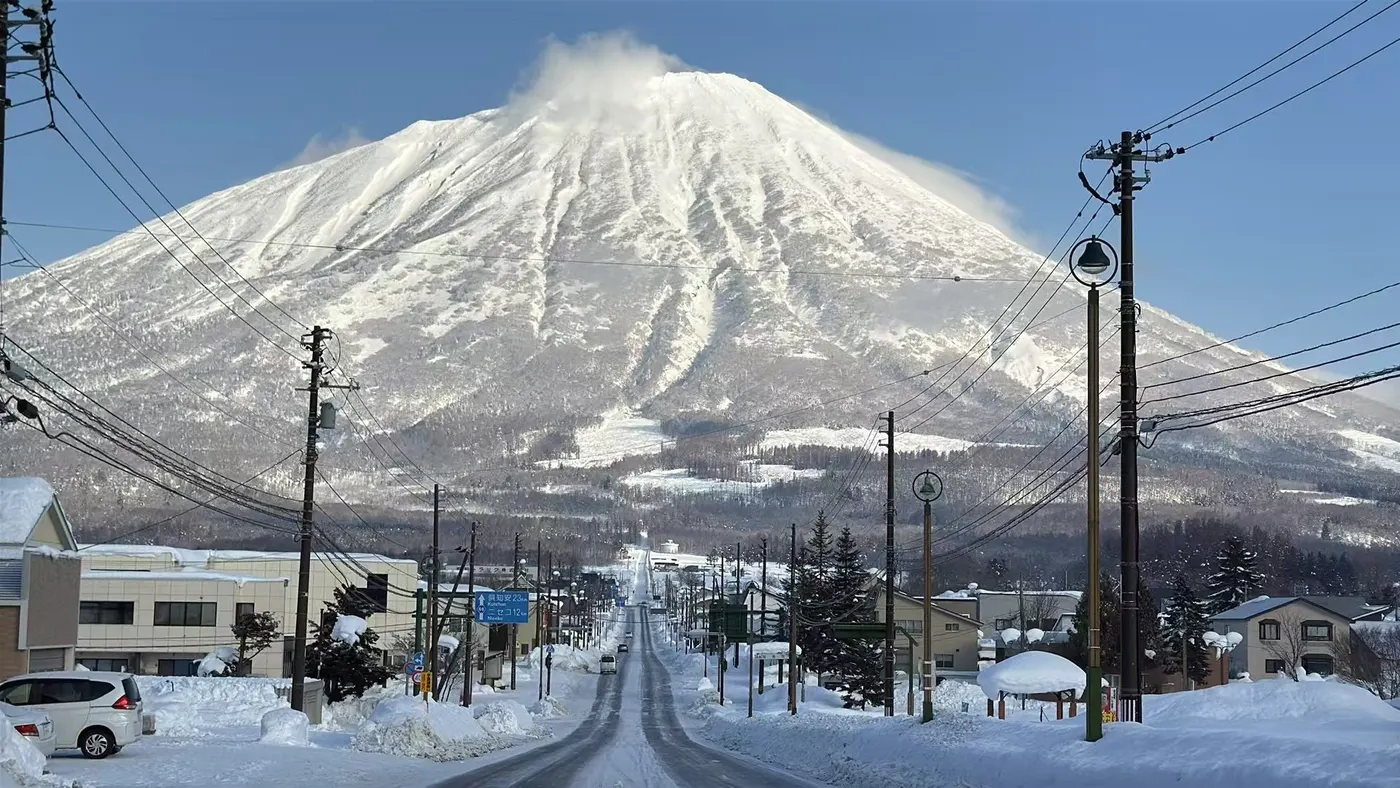
You’ve just landed at New Chitose Airport (CTS), your board bag is somewhere on the oversized-luggage belt, and Niseko’s famous powder is still a mountain range away. The good news: getting from the airport to Niseko is a well-worn path, and thousands of skiers and snowboarders make the trip every winter week. The less good news: it’s not a quick hop. Depending on how you travel, plan on roughly 2.5 to 3.5 hours door to door, and in a January snowstorm it can stretch longer.
This guide walks through the four main ways to make the journey — resort shuttle bus, JR train, private transfer, and rental car — with honest advice on which one suits your group, your luggage, and your tolerance for winter driving.
The Four Options at a Glance
| Option | Approx. time | Best for | Booking needed? |
|---|---|---|---|
| Resort shuttle bus | 2.5–3.5 hours | Most travelers; solo skiers and couples | Yes, reserve in advance |
| JR train via Otaru | 3+ hours incl. transfer & taxi | Rail fans, flexible light packers | Seats limited in peak season |
| Private transfer | 2.5–3 hours | Families, groups, heavy luggage | Yes, well in advance |
| Rental car (self-drive) | 2.5–3.5 hours | Experienced winter drivers only | Yes, with winter tires |
Option 1: Resort Shuttle Bus (The Most Popular Choice)
For most visitors, the shuttle bus is the default — and for good reason. Several operators run direct winter services from New Chitose Airport to the Niseko area, dropping passengers at major hotels and village hubs around Hirafu, Niseko Village, Annupuri, and Kutchan. Buses have luggage holds sized for ski and board bags, the drivers handle snowy roads daily, and you can doze off after a long-haul flight without worrying about a wrong turn.
The ride takes around 2.5 to 3.5 hours depending on the route, stops, and road conditions. In heavy snowfall, expect the longer end of that range.
Two important caveats. First, these buses run on fixed schedules, and seats sell out during peak weeks — especially between Christmas and Chinese New Year. Book your seat as soon as your flights are confirmed, and book directly through the operator’s official website for current timetables and fares. Second, pay attention to the last departure of the day. If your flight lands in the evening, you may find the final bus has already left, in which case a private transfer or an overnight stay near the airport becomes the fallback.
Option 2: JR Train via Otaru (The Scenic Route)
If you’d rather watch the Sea of Japan coastline slide past your window than sit on a highway, the train is a genuinely lovely alternative. The rail journey runs from New Chitose Airport toward Otaru — a pretty canal town worth a visit in its own right — where you change to a local line that winds inland through snowbound valleys to Kutchan Station, the gateway town on the Niseko side.
A few realities to weigh:
- You’ll transfer at least once, usually in Otaru, hauling your luggage between platforms. With a board bag, boot bag, and suitcase, this gets old quickly.
- Kutchan Station is not the finish line. From the station you’ll need a taxi or a hotel pickup to reach your accommodation in Hirafu, Niseko Village, or elsewhere in the area. Arrange this ahead of time in peak season — taxis in Kutchan are limited on busy evenings.
- Winter weather affects the local line. Heavy snow occasionally delays or suspends services on the inland section, so keep an eye on JR Hokkaido’s status updates on travel day.
All in, budget three hours or more including the transfer and the final taxi leg. Check JR Hokkaido’s website for current timetables and fares rather than relying on secondhand information — schedules shift between seasons.
The train shines for travelers packing light, anyone stopping in Otaru en route, and those who simply love rail travel. It’s less ideal for families with young kids and a mountain of gear.
Option 3: Private Transfer (Door to Door, No Hassle)
A private transfer — a van or car with a professional driver that takes you straight from the arrivals hall to your hotel door — is the most comfortable way to make the trip. The drive takes roughly 2.5 to 3 hours, there are no intermediate stops, and you leave on your schedule rather than a bus timetable.
This option makes the most sense for:
- Families with children, who can install car seats and stop for bathroom breaks as needed
- Groups of three or more, where splitting the cost narrows the gap with individual bus tickets
- Travelers with lots of luggage — multiple board bags fit easily in a dedicated vehicle
- Late arrivals whose flights land after the last shuttle departs
Demand for transfers in the Niseko winter is intense, and reputable operators book out weeks or months ahead for peak dates. Reserve early and confirm pricing directly with the operator — rates vary by vehicle size and date.
Option 4: Renting a Car (Only If You Know Winter Driving)
We’ll be direct here: unless you have real experience driving on snow and ice, don’t rent a car for this trip.
The route from New Chitose to Niseko crosses mountain passes that are snow-covered and frequently icy from December through March. Whiteout conditions can appear with little warning, roadside snowbanks hide the edges of the pavement, and daylight fades by mid-afternoon in midwinter. Rental cars in Hokkaido come fitted with studless winter tires, which help enormously — but tires don’t replace judgment, and every season sees visiting drivers slide into ditches on these roads.
If you are a confident winter driver, a car offers freedom: the drive takes roughly 2.5 to 3.5 hours depending on conditions, and having wheels in Niseko makes day trips to other resorts easy. Book a vehicle with winter tires (standard in winter, but confirm), consider a 4WD model, allow generous buffer time, and check road and weather conditions before setting out each day.
For everyone else, the bus or a transfer gets you there safer and more relaxed.
Practical Tips for the Journey
Build in buffer time — especially in January. Hokkaido’s snowfall is the reason you’re coming, and it doesn’t pause for travel days. Flights into CTS get delayed or diverted in big storms, and road journeys stretch beyond their usual times. Avoid booking a lesson or an activity for the same day you arrive, and if you’re connecting through Tokyo, leave comfortable margin between flights.
If your flight is delayed, contact your bus or transfer operator as soon as you know. Shuttle buses won’t wait, but many operators can move you to a later departure if seats exist, and private transfer drivers typically monitor arrival times. Have the operator’s contact details saved on your phone before you fly.
Traveling heavy? Consider not carrying your gear at all. Japan’s takkyubin luggage-forwarding services can ship ski bags between airports and hotels, usually with a day or two of lead time. Another route many of our guests take: skip bringing gear entirely. The Japow Academy delivers full rental setups — boards, skis, boots, and complete outerwear packages — directly to Niseko-area hotels in the evening, so you can travel with just a carry-on and find everything waiting at your accommodation. If you’re unsure whether to bring your own equipment or rent, we’re happy to talk it through before your trip, along with anything else about planning your arrival.
Getting your bearings once you arrive. “Niseko” in practice means a cluster of villages and resorts around the town of Kutchan and Mt. Niseko Annupuri. From your Niseko base, several excellent mountains are within striking distance: Niseko Moiwa is right in the area and notably quieter than the big-name slopes, Rusutsu is about two hours from the airport (closer from Niseko itself) and famous for its tree runs, and Kiroro — around 1.5 hours from CTS on the Otaru side — holds some of the deepest snow in Hokkaido. Many visitors mix two or three of these into one trip.
Book everything early for peak weeks. From Christmas through Chinese New Year, buses fill, transfers sell out, and hotels charge premium rates. The transport leg is the part of the trip people leave until last — don’t.
The Bottom Line
For most first-time visitors, the resort shuttle bus is the sweet spot of cost, comfort, and simplicity — just book it early. Families and gear-heavy groups will find a private transfer worth the extra spend. The train rewards light packers with the best scenery of the four, and the rental car should be left to travelers who already know what black ice feels like under their tires.
However you travel, the moment the bus crests the final hill and Mt. Yotei’s volcanic cone appears above the snowfields, the long journey makes sense. The powder is waiting on the other side.